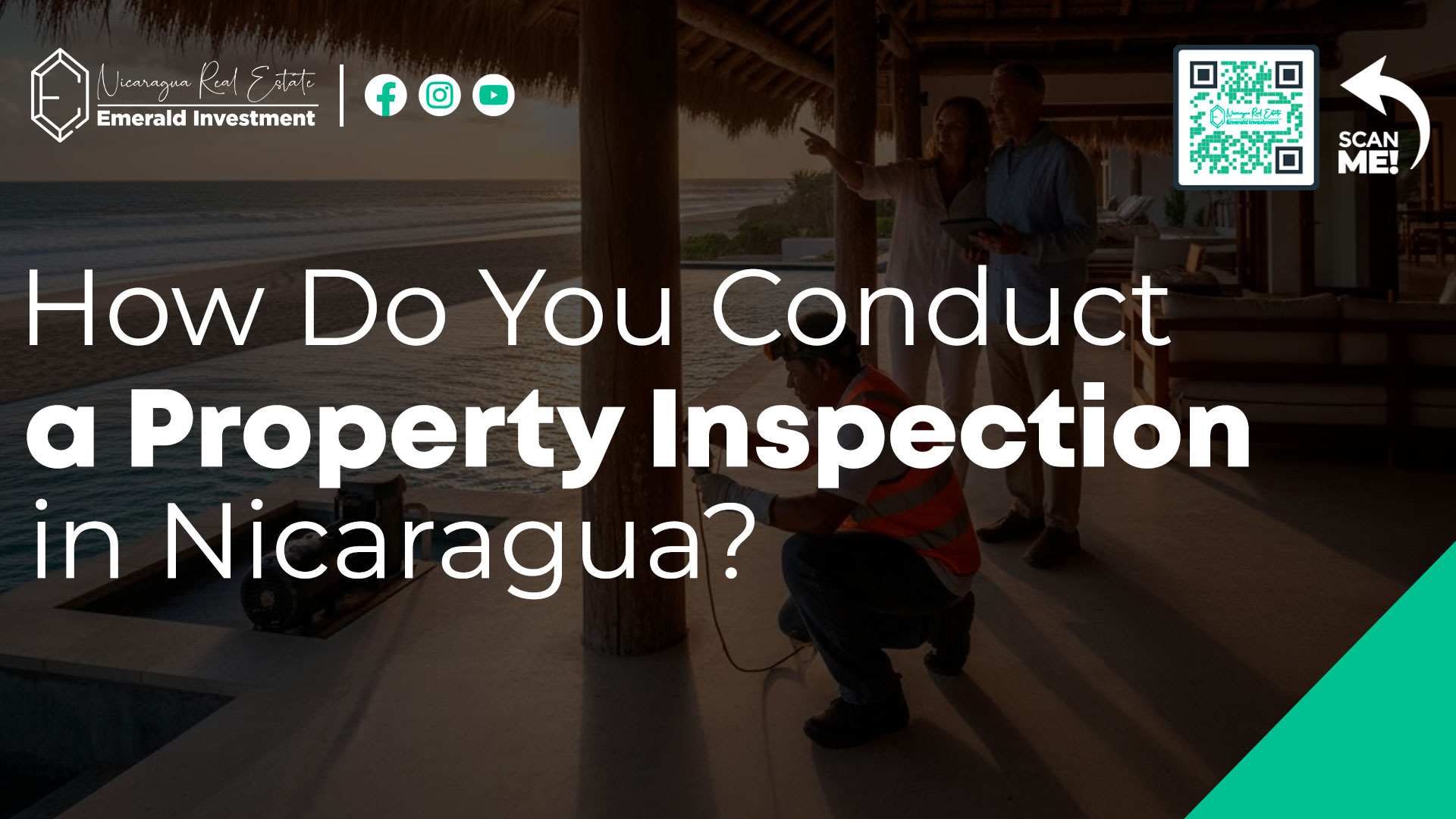

A property inspection in Nicaragua should include checks for structural integrity, water pressure, septic systems, and land slope. Hire a local contractor or licensed inspector before putting down a deposit.
Most properties in Nicaragua are sold “as-is,” meaning once you buy, you assume full responsibility for any issues. That’s why inspections are essential before committing to a purchase. Whether you’re considering a colonial fixer-upper in Granada, a modern condo in San Juan del Sur, or raw land near Popoyo, inspections reveal critical details. In this blog, we’ll walk you through how to conduct a property inspection in Nicaragua, what to look for, and why it can save you thousands of dollars.
1. Why Inspections Matter
Unlike in North America, property disclosures are not standard in Nicaragua. Sellers are under no obligation to reveal defects. Without a proper inspection, buyers risk surprises such as foundation cracks, poor drainage, or outdated wiring.
2. Home Inspection Checklist
- Foundation: Look for cracks, moisture damage, uneven floors.
- Roof: Inspect for rusted sheets, broken tiles, or leaks.
- Plumbing: Test faucets, flush toilets, and check for leaks. Low water pressure can indicate major issues.
- Electrical: Outdated wiring is common. Ask if the system is grounded and what amperage the property supports.
- Septic System: Confirm tank location, age, and last service date.
- Pests: Termites are widespread. Tap wood beams to check for hollow sounds.
Pro Tip: Bring a moisture meter and flashlight. Humidity damage can be hidden behind walls.
3. Land Inspection Checklist
If buying land, inspections are equally important.
- Topography: Check slope for drainage and landslide risks.
- Soil Quality: Essential for septic and foundation.
- Utilities: Confirm access to water, power, and internet.
- Access Roads: Seasonal rains may wash out unpaved access.
- Boundaries: Cross-check survey (plano catastral) with GPS
4. When to Inspect
- During Due Diligence: Contracts should include an inspection clause allowing withdrawal if major issues arise.
5. Who Conducts Inspections?
- Local Contractors: Affordable and familiar with building norms.
- Engineers/Architects: Provide detailed structural reports.
- Certified Home Inspectors: Less common but available in major expat hubs.
Cost Range: $150-$500 depending on property type and size.
Tip: Ask your attorney or real estate agent for vetted inspector recommendations.
6. Special Considerations for Rentals
If planning short-term rentals:
- Check air conditioning and Wi-Fi reliability.
- Inspect pool pumps and water systems.
- Ensure kitchens and bathrooms meet guest expectations.
Example: An Airbnb investor in Granada doubled bookings after upgrading plumbing and adding backup water storage.
Comparison Table: Inspection Focus
| Property Type | Key Risks | Inspection Priority |
| Colonial home | Termites, outdated wiring | Electrical, pests, roof |
| Beach villa | Salt corrosion, flooding | Plumbing, foundation |
| Raw land | Drainage, slope issues | Soil, survey, access |
| Condo | HOA maintenance, leaks | Plumbing, roof, shared areas |
FAQs
Property Inspection in Nicaragua: What to Check Before You Buy
For Expats and International Investors
Yes, if your contract includes an inspection contingency.
Usually 2-4 hours depending on property size.
Yes, most professionals deliver a summary within a few days.
Yes. Walking through with the inspector gives valuable insights.